
Products
Compounds in this collection
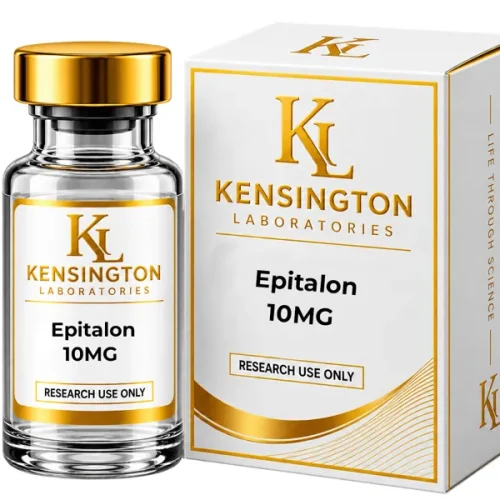 Epitalon Research Peptide
Price range: €29.90 through €89.90
View product →
Epitalon Research Peptide
Price range: €29.90 through €89.90
View product →
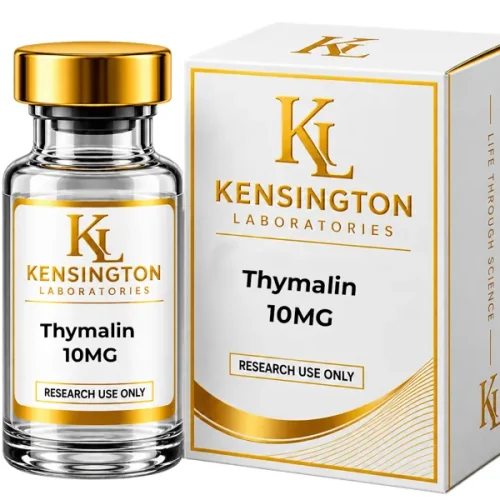 Thymalin Research Peptide
Original price was: €39.90.€29.95Current price is: €29.95.
View product →
Thymalin Research Peptide
Original price was: €39.90.€29.95Current price is: €29.95.
View product →
 Crystagen Research Peptide
Original price was: €74.90.€69.90Current price is: €69.90.
View product →
Crystagen Research Peptide
Original price was: €74.90.€69.90Current price is: €69.90.
View product →
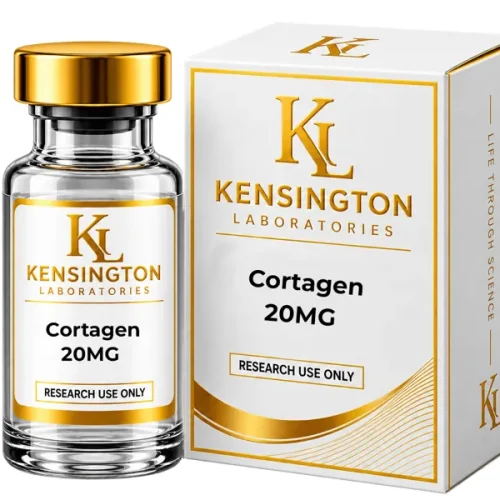 Cortagen Research Peptide
Original price was: €59.90.€54.90Current price is: €54.90.
View product →
Cortagen Research Peptide
Original price was: €59.90.€54.90Current price is: €54.90.
View product →
Also studied in this area
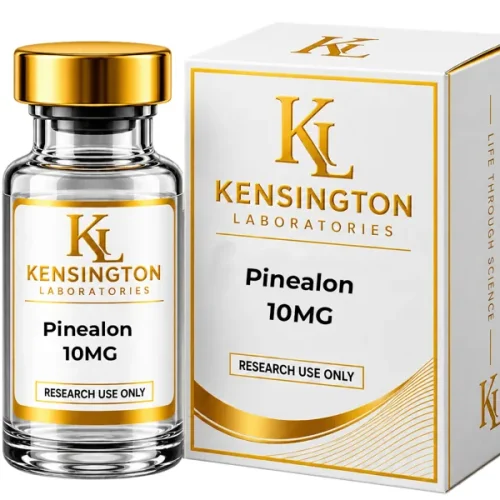 Pinealon Research Peptide
Keep exploring
Related collections
Research overview
Pathways and research context
Bioregulators are proposed to interact with DNA and chromatin to influence gene expression in specific tissues. Epitalon is linked to telomerase and melatonin research; Thymalin to thymic and immune signalling.
Mechanisms studied in bioregulator research peptides Ireland programmes
Bioregulators are very short peptides, typically two to four amino acids, first characterised in Russian gerontology literature and now a recurring subject in bioregulator research peptides Ireland institutions investigate. They are proposed to interact with DNA or chromatin structures to influence gene expression in a tissue-specific manner, rather than acting through a single surface receptor.
Epitalon is linked to telomerase activity and melatonin-pathway signalling in pineal-tissue models, while Thymalin is studied for thymic and broader immune signalling, giving the collection two distinct organ-system entry points within the same peptide class.
Compound relationships across the bioregulator panel
Crystagen and Cortagen extend the tissue-specific logic of bioregulators to vascular tissue, each studied for localised regulatory effects distinct from Epitalon's pineal focus or Thymalin's thymic focus. Pinealon, cross-linked from elsewhere in the range, is studied for neuronal and pineal-adjacent signalling, adding a further comparator for researchers mapping tissue specificity.
Because these peptides are proposed to act through gene-expression modulation rather than classical receptor binding, comparative work often looks at whether effects are tissue-restricted as reported, using the four primary compounds and Pinealon as a reference panel.
Laboratory applications for short-chain bioregulators
Telomere length and telomerase activity assays are the most common application for Epitalon, often run alongside ageing-biomarker panels. Thymalin research typically involves immune cell culture models assessing thymic hormone output or lymphocyte activity markers.
Crystagen and Cortagen are studied in vascular and adrenal-adjacent tissue models respectively, with gene expression profiling used to assess tissue-specific regulatory activity, while Pinealon is reviewed in neuronal culture models for comparative purposes.
Study design considerations for bioregulator research
Much of the original bioregulator literature originates from a limited number of research groups, so independent replication and transparent reporting of batch sourcing are active areas of interest when designing a new protocol in this space. Including a vehicle-only control alongside each bioregulator helps separate genuine tissue-specific effects from assay variability.
Given the proposed gene-expression mechanism, longer incubation periods are often needed before downstream effects become measurable, compared with receptor-mediated peptides that can show acute signalling changes within minutes.
Handling and quality for bioregulator research peptides Ireland supply
Bioregulators are supplied lyophilised and should be reconstituted with bacteriostatic water shortly before use, then stored refrigerated with minimal freeze-thaw cycling to protect the short peptide chain from degradation. Because these sequences are small, purity verification is particularly important to rule out synthesis-related impurities.
Kensington Labs provides HPLC tested, LC-MS verified batch documentation and a certificate of analysis with every order, supporting the reproducibility that bioregulator research peptides Ireland research groups need when citing sourcing in published methods.
Compound comparison
| Compound | Mechanism studied | Research focus |
|---|---|---|
| Epitalon — 10mg | Pineal-tissue bioregulator; telomerase and melatonin-pathway signalling. | |
| Thymalin — 10mg | Thymic bioregulator studied for immune and lymphocyte signalling. | |
| Crystagen — 20mg | Vascular-tissue bioregulator, gene-expression focused. | |
| Cortagen — 20mg | Adrenal-adjacent tissue bioregulator comparator. | |
| Pinealon — 10mg | Cross-linked neuronal/pineal-adjacent bioregulator comparator. |
Research considerations
Much of the original literature is from a small number of research groups, so independent replication is an active area of interest.
Knowledge Centre
Related articles
Questions
Frequently asked questions
What makes a peptide a bioregulator?
Is Epitalon a bioregulator?
How do bioregulators differ mechanistically from receptor-targeted peptides?
Why might a protocol need longer incubation times with bioregulators?
Is Pinealon part of the core bioregulator primary panel?
What precautions reduce degradation of these short peptides?
Quality
Certificates of analysis
Every compound in this collection is supplied with a batch-matched certificate of analysis confirming HPLC purity and LC-MS identity.
Categories
Related categories
Ready to source bioregulator research peptides?
HPLC-tested, lyophilised vials with batch COAs. Free tracked delivery over €50 · €9.90 under €50 (3–5 days)