
Products
Compounds in this collection
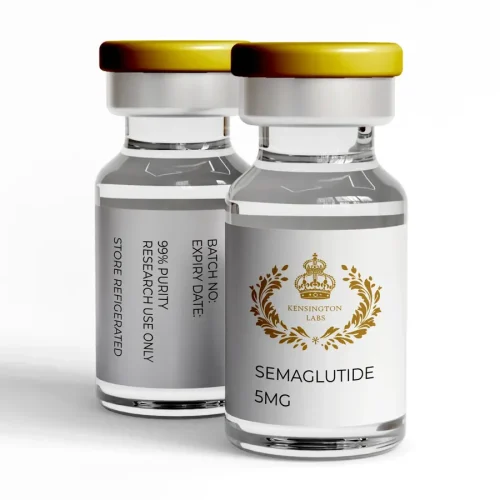 Semaglutide Research Peptide
Price range: €44.95 through €139.90
View product →
Semaglutide Research Peptide
Price range: €44.95 through €139.90
View product →
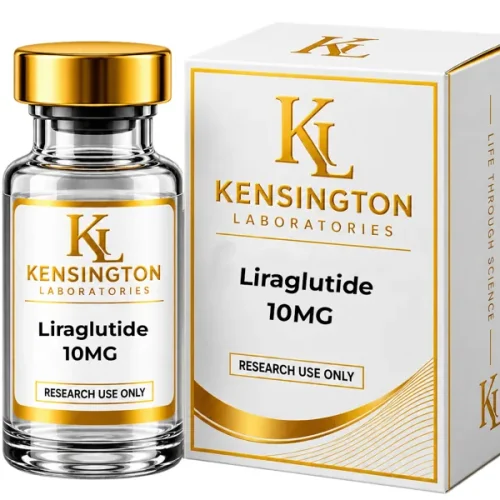 Liraglutide Research Peptide
Original price was: €99.90.€79.90Current price is: €79.90.
View product →
Liraglutide Research Peptide
Original price was: €99.90.€79.90Current price is: €79.90.
View product →
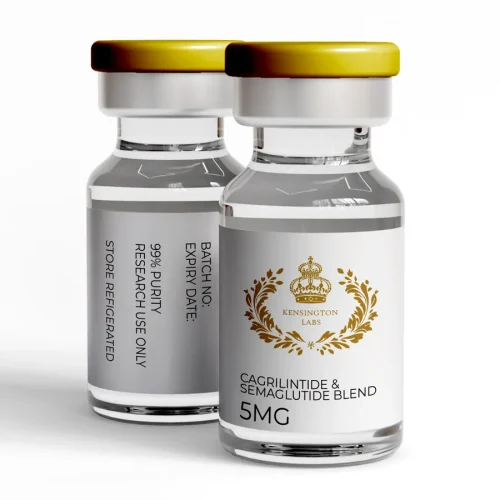 Semaglutide & Cagrilintide Blend Research Peptide
Price range: €124.90 through €164.90
View product →
Semaglutide & Cagrilintide Blend Research Peptide
Price range: €124.90 through €164.90
View product →
Also studied in this area
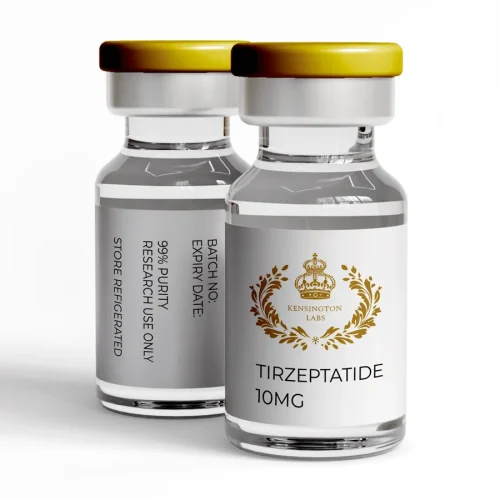 Tirzepatide Research Peptide
 Retatrutide Research Peptide
Keep exploring
Related collections
Research overview
Pathways and research context
GLP-1 agonists act on receptors in the pancreas, gut and brainstem, increasing glucose-dependent insulin release, slowing gastric emptying and signalling satiety. Long-acting analogues are modified for albumin binding and extended half-life.
Mechanisms underpinning GLP-1 research peptides Ireland programmes
GLP-1 research peptides Ireland laboratories work with act on receptors distributed across the pancreas, gastrointestinal tract and brainstem, where they increase glucose-dependent insulin secretion, slow gastric emptying and contribute to satiety signalling. Semaglutide and Liraglutide are the two single-agonist sequences most referenced in obesity and type 2 diabetes models.
Both compounds are structurally modified analogues of native GLP-1, engineered for albumin binding to extend their half-life well beyond that of the endogenous hormone, which is why their pharmacokinetic profile is a frequent subject of comparative research alongside their receptor activity.
Compound relationships within GLP-1 research
Semaglutide's substantially longer half-life compared with Liraglutide changes the practical dosing interval used in research protocols, with weekly administration schedules common for Semaglutide versus daily schedules for Liraglutide. This difference is often a primary variable when researchers design head-to-head comparative studies between the two.
The Semaglutide & Cagrilintide blend combines the GLP-1 agonist with an amylin-receptor agonist, allowing researchers to test whether combining incretin and amylin signalling produces effects beyond either pathway alone, a question that connects directly to the multi-agonist and metabolic collections.
Laboratory applications and model systems
Appetite and food-intake models, glucose tolerance testing and gastric emptying assays are the three core application areas for this collection's compounds. Pancreatic islet culture is also used to directly measure glucose-dependent insulin secretion attributable to GLP-1 receptor activation.
Comparative studies frequently position Semaglutide and Liraglutide against multi-agonist compounds such as Tirzepatide or Retatrutide to characterise how additional receptor targets change the magnitude or duration of metabolic effects observed in the same model system.
Study design considerations for incretin research
Given the half-life differences between Semaglutide and Liraglutide, researchers need to align dosing intervals and sampling timepoints with each compound's known pharmacokinetics rather than applying a single shared schedule across both arms. Vehicle and buffer consistency across treatment groups remains important for isolating genuine receptor-driven effects.
When including the Semaglutide & Cagrilintide blend in a design, a single-agonist arm for each component is a useful addition so that any combined effect can be properly attributed rather than assumed.
Handling, purity and GLP-1 research peptides Ireland supply
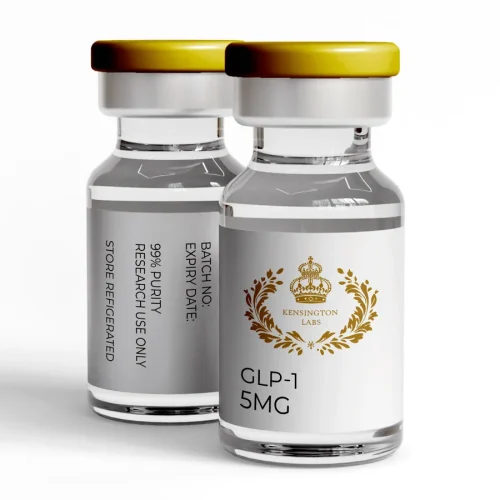
Semaglutide, Liraglutide and the Semaglutide & Cagrilintide blend are supplied lyophilised and require reconstitution with bacteriostatic water, followed by refrigerated storage for the duration of a study. Research grade Semaglutide batches should always be checked against their certificate of analysis before use, given how sensitive dose-response data is to purity variance in this compound class.
Kensington Labs provides HPLC tested, LC-MS verified documentation with every batch, giving GLP-1 research peptides Ireland laboratories the traceability expected in current obesity and metabolic research publications.
Compound comparison
| Compound | Mechanism studied | Research focus |
|---|---|---|
| Semaglutide — 5mg | Long-acting GLP-1 agonist; weekly-interval research standard. | |
| Liraglutide — 10mg | Shorter-acting GLP-1 agonist; daily-interval comparator. | |
| Semaglutide & Cagrilintide Blend — 5mg | Combines GLP-1 and amylin-pathway signalling in one formulation. | |
| Tirzepatide — 5mg | Cross-linked dual GIP/GLP-1 agonist comparator. | |
| Retatrutide — 5mg | Cross-linked triple GIP/GLP-1/glucagon agonist comparator. |
Research considerations
Semaglutide's longer half-life compared with Liraglutide changes dosing intervals in protocols. Multi-agonists are useful comparators.
Knowledge Centre
Related articles
Questions
Frequently asked questions
How does Semaglutide differ from Liraglutide?
Why combine Semaglutide with Cagrilintide?
Why do Semaglutide and Liraglutide need different dosing intervals in protocols?
What does the amylin component add to the Semaglutide & Cagrilintide blend?
How should Semaglutide be reconstituted for research use?
Can GLP-1 single agonists be compared directly with multi-agonists in the same study?
Quality
Certificates of analysis
Every compound in this collection is supplied with a batch-matched certificate of analysis confirming HPLC purity and LC-MS identity.
Categories
Related categories
Ready to source glp-1 research peptides?
HPLC-tested, lyophilised vials with batch COAs. Free tracked delivery over €50 · €9.90 under €50 (3–5 days)