
Products
Compounds in this collection
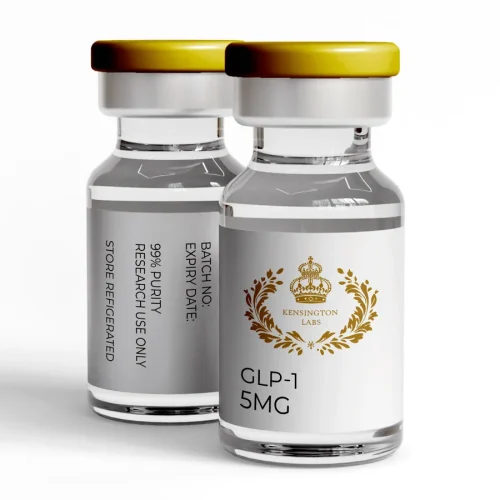 Retatrutide Research Peptide
Price range: €49.95 through €124.95
View product →
Retatrutide Research Peptide
Price range: €49.95 through €124.95
View product →
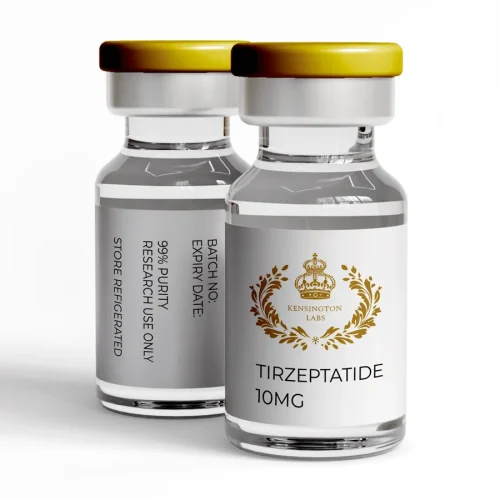 Tirzepatide Research Peptide
Price range: €54.95 through €149.95
View product →
Tirzepatide Research Peptide
Price range: €54.95 through €149.95
View product →
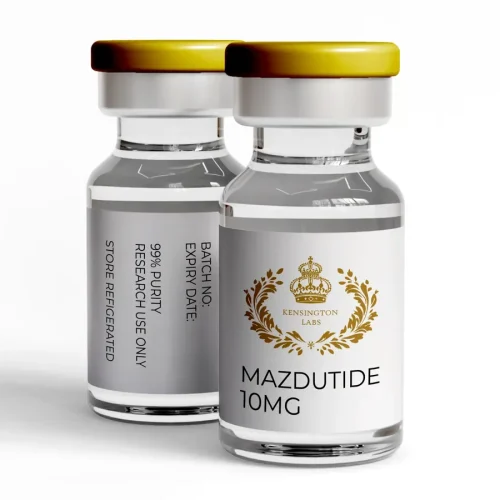 Mazdutide Research Peptide
Original price was: €99.90.€49.90Current price is: €49.90.
View product →
Mazdutide Research Peptide
Original price was: €99.90.€49.90Current price is: €49.90.
View product →
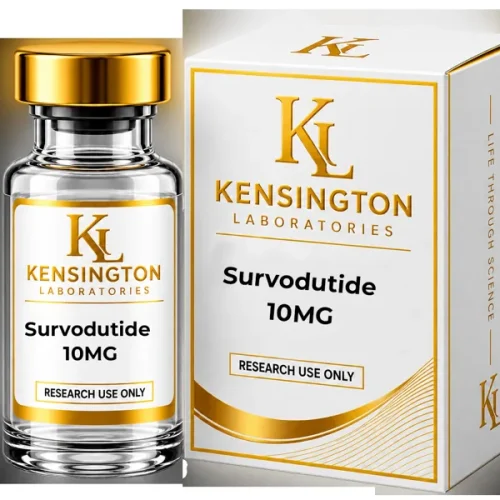 Survodutide Research Peptide
Original price was: €119.90.€114.90Current price is: €114.90.
View product →
Survodutide Research Peptide
Original price was: €119.90.€114.90Current price is: €114.90.
View product →
Also studied in this area
 Cagrilintide Research Peptide
Keep exploring
Related collections
Research overview
Pathways and research context
Adding GIP receptor activity is studied for insulin sensitivity and fat metabolism, while glucagon receptor activity is linked to energy expenditure and liver fat. Triple agonists combine all three.
Mechanisms behind multi-agonist research peptides Ireland laboratories investigate
Multi-agonist research peptides Ireland institutions work with are engineered to engage more than one metabolic receptor simultaneously. Tirzepatide combines GIP and GLP-1 receptor activity, while Mazdutide and Survodutide pair GLP-1 with glucagon receptor engagement, and Retatrutide extends this further as a GIP/GLP-1/glucagon triple agonist.
Adding GIP receptor activity alongside GLP-1 is studied for its contribution to insulin sensitivity and fat metabolism, while glucagon receptor engagement is linked in the literature to increased energy expenditure and reduced liver fat, giving each added receptor target a distinct research rationale.
Compound relationships across the multi-agonist panel
Tirzepatide and Retatrutide are often compared directly because they share GIP and GLP-1 activity, with Retatrutide's additional glucagon component the key variable researchers isolate when interpreting differences in weight-loss or metabolic endpoints between the two. Mazdutide and Survodutide, both GLP-1/glucagon dual agonists, are typically positioned as a separate comparator pair focused on energy expenditure and liver fat outcomes.
Cagrilintide, cross-linked from the metabolic collection, is sometimes added to multi-agonist protocols to test whether amylin-pathway signalling contributes further on top of incretin and glucagon receptor activity.
Laboratory applications and model systems
Comparative weight-loss models in rodent studies remain the most common application for this compound group, typically tracking body weight, food intake and body composition over several weeks. Liver fat content, measured via histology or imaging, and energy expenditure, measured via indirect calorimetry, are the two endpoints most associated with the glucagon-receptor-active compounds.
Insulin sensitivity research using glucose and insulin tolerance testing is used across the whole panel, giving researchers a common endpoint to benchmark Tirzepatide, Mazdutide, Survodutide and Retatrutide against each other and against single-agonist GLP-1 compounds.
Study design considerations for multi-agonist protocols
Because receptor balance differs meaningfully between these compounds, head-to-head comparisons require matched dosing and administration schedules to produce interpretable results rather than confounding receptor pharmacology with dosing differences. A GLP-1-only compound, such as Semaglutide, is a standard baseline arm when assessing what additional receptor targets contribute.
Given the broader receptor engagement of triple agonists like Retatrutide, researchers often include additional metabolic panels, such as lipid profiles, to capture effects that might not appear in simpler body-weight-only designs.
Handling, purity and multi-agonist research peptides Ireland supply
Tirzepatide, Retatrutide, Mazdutide and Survodutide are all supplied lyophilised and require bacteriostatic water reconstitution, with refrigerated storage recommended once in solution. Research grade Tirzepatide and its collection-mates should be checked against batch documentation before use, since receptor-engagement data is highly sensitive to purity.
Kensington Labs supplies HPLC tested, LC-MS verified certificates of analysis with every batch, supporting the documentation standards that multi-agonist research peptides Ireland research groups increasingly require for publication-ready methods sections.
Compound comparison
| Compound | Mechanism studied | Research focus |
|---|---|---|
| Retatrutide — 5mg | Triple GIP/GLP-1/glucagon agonist; broadest receptor engagement in the collection. | |
| Tirzepatide — 5mg | Dual GIP/GLP-1 agonist; frequent comparator to Retatrutide. | |
| Mazdutide — 10mg | GLP-1/glucagon dual agonist focused on energy expenditure. | |
| Survodutide — 10mg | GLP-1/glucagon dual agonist; liver fat research focus. | |
| Cagrilintide — 5mg | Cross-linked amylin agonist used to test additive effects. |
Research considerations
Receptor balance differs between compounds, so head-to-head comparisons need matched protocols. GLP-1-only compounds are a standard baseline.
Knowledge Centre
Related articles
Questions
Frequently asked questions
What is the difference between Tirzepatide and Retatrutide?
Where do Mazdutide and Survodutide fit?
What does adding GIP receptor activity contribute in multi-agonist research?
How do Mazdutide and Survodutide compare to each other?
Why include a GLP-1-only baseline when studying triple agonists?
What administration schedule is typical for Tirzepatide research?
Quality
Certificates of analysis
Every compound in this collection is supplied with a batch-matched certificate of analysis confirming HPLC purity and LC-MS identity.
Categories
Related categories
Ready to source multi-agonist research peptides?
HPLC-tested, lyophilised vials with batch COAs. Free tracked delivery over €50 · €9.90 under €50 (3–5 days)