
Products
Compounds in this collection
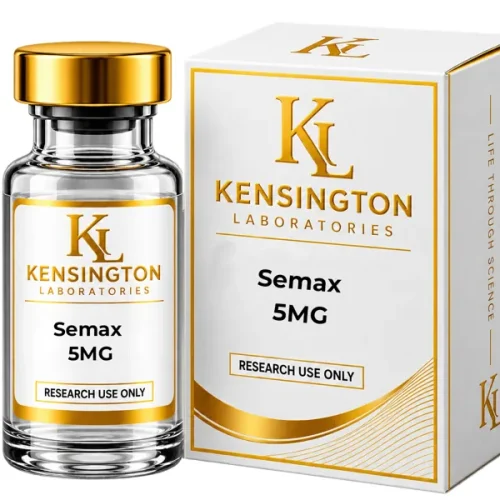 Semax Research Peptide
Original price was: €34.95.€29.95Current price is: €29.95.
View product →
Semax Research Peptide
Original price was: €34.95.€29.95Current price is: €29.95.
View product →
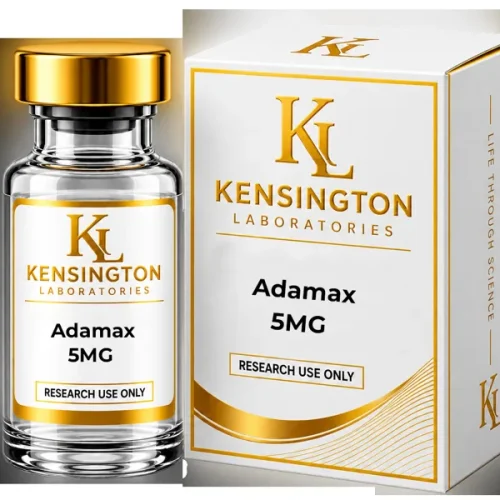 Adamax Research Peptide
Price range: €34.95 through €59.90
View product →
Adamax Research Peptide
Price range: €34.95 through €59.90
View product →
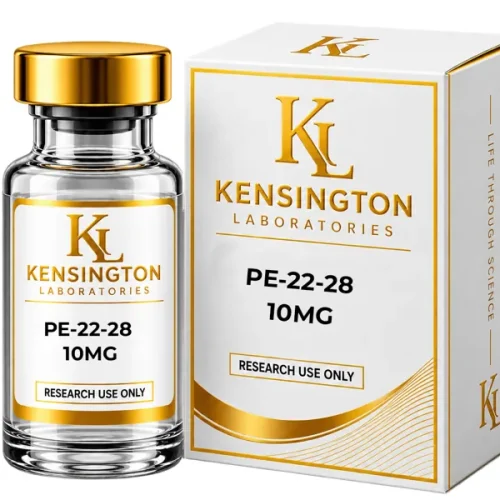 PE-22-28 Research Peptide
Original price was: €69.90.€39.90Current price is: €39.90.
View product →
PE-22-28 Research Peptide
Original price was: €69.90.€39.90Current price is: €39.90.
View product →
Also studied in this area
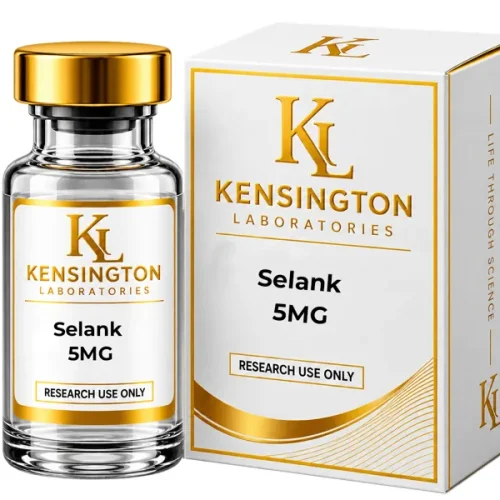 Selank Research Peptide
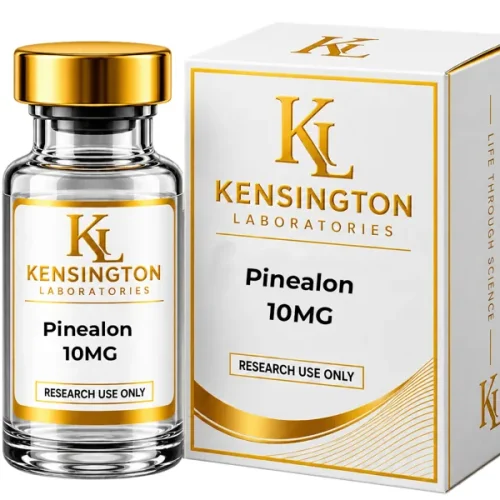 Pinealon Research Peptide
Keep exploring
Related collections
Research overview
Pathways and research context
Semax and Adamax are ACTH(4-10) analogues studied for BDNF expression. PE-22-28 is a spadin analogue targeting the TREK-1 channel, linked to neurogenesis.
Cognitive research peptides Ireland focus: memory and neurotrophic signalling
Cognitive research peptides are studied for their influence on learning, attention and neurotrophic signalling rather than systemic hormone pathways. Semax and its analogue Adamax are ACTH(4-10) fragments, while PE-22-28 takes a structurally distinct route via the TREK-1 potassium channel, giving researchers more than one mechanistic angle on cognitive endpoints.
A lab assembling a cognitive research peptides Ireland protocol typically selects among these three compounds based on the specific pathway of interest: BDNF-linked neurotrophic signalling for Semax and Adamax, or TREK-1-mediated neurogenesis for PE-22-28.
How Semax, Adamax and PE-22-28 relate to one another
Semax is a heptapeptide derived from ACTH(4-10) that lacks hormonal activity but is studied extensively for upregulating BDNF expression in the brain, with downstream effects on synaptic plasticity. Adamax is a modified Semax analogue engineered for greater metabolic stability, intended to extend the window of activity relative to the parent peptide.
PE-22-28 takes a different mechanistic route: it is a shortened spadin analogue that inhibits the TREK-1 potassium channel, a pathway linked to neurogenesis and antidepressant-type signalling in preclinical literature, making it a useful comparator against the ACTH-fragment family.
Laboratory applications in cognitive and neurotrophic models
Learning and memory assays, such as novel object recognition or maze-based tasks in rodent models, are common endpoints for Semax and Adamax research, often paired with BDNF or synaptic marker assays to connect behavioural and molecular data.
PE-22-28 is more often studied in neurogenesis assays tracking hippocampal cell proliferation following TREK-1 inhibition, and is sometimes run alongside Semax to compare two distinct mechanistic routes to a similar cognitive endpoint.
Study design: administration route and exposure
Administration route materially changes exposure for this compound group: Semax is frequently studied via intranasal administration in the literature, while systemic routes produce a different pharmacokinetic profile, so protocols should be explicit about route when comparing results across studies or compounds.
Because BDNF expression changes can take hours to days to manifest, study timelines should allow for appropriately spaced sampling after dosing, and dose-response work should be run before fixed-dose comparative studies to establish an appropriate working range.
Handling and quality assurance for cognitive peptides
Semax, Adamax and PE-22-28 are supplied as lyophilised powders that remain most stable frozen or refrigerated before reconstitution, with reconstituted solutions best used within the stated window and stored refrigerated in the meantime.
For cognitive research peptides Ireland researchers rely on, Kensington Labs Ireland supplies a batch-specific certificate of analysis with HPLC purity and LC-MS verified mass confirmation for every vial, supporting reproducible behavioural and biochemical assay outcomes.
Compound comparison
| Compound | Mechanism studied | Research focus |
|---|---|---|
| Semax | ACTH(4-10) analogue studied for BDNF upregulation | Memory and neurotrophic signalling research |
| Adamax | Stability-enhanced Semax analogue | Extended-activity BDNF pathway research |
| PE-22-28 | Spadin analogue inhibiting the TREK-1 channel | Neurogenesis and TREK-1 pathway research |
| Selank | Tuftsin analogue linked to GABAergic signalling | Comparative anxiolytic/cognitive pathway research |
| Pinealon | Short bioregulator studied for neuronal protection | Cross-link neuroprotective comparator research |
Research considerations
Intranasal and systemic administration produce different exposure in models, which affects comparisons.
Knowledge Centre
Related articles
Questions
Frequently asked questions
How is Adamax related to Semax?
What does PE-22-28 target?
What distinguishes Adamax from standard Semax?
Why does administration route matter for Semax research?
Is PE-22-28 related to Semax mechanistically?
How quickly should BDNF-related endpoints be measured after dosing?
Quality
Certificates of analysis
Every compound in this collection is supplied with a batch-matched certificate of analysis confirming HPLC purity and LC-MS identity.
Categories
Related categories
Ready to source cognitive research peptides?
HPLC-tested, lyophilised vials with batch COAs. Free tracked delivery over €50 · €9.90 under €50 (3–5 days)