
Products
Compounds in this collection
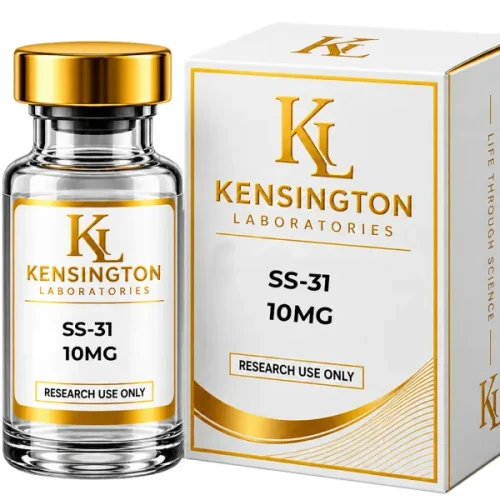 SS-31 Research Peptide
Price range: €34.95 through €114.90
View product →
SS-31 Research Peptide
Price range: €34.95 through €114.90
View product →
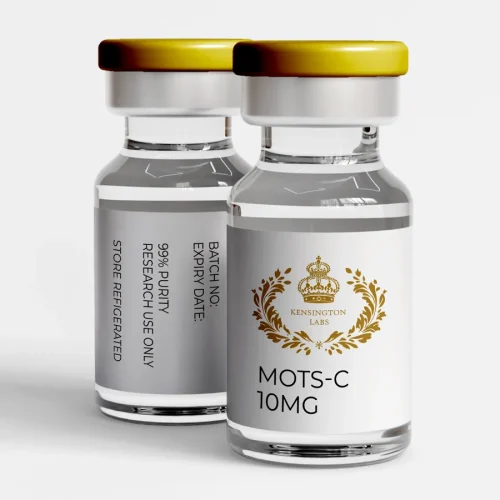 MOTS-c Research Peptide
Price range: €34.95 through €49.95
View product →
MOTS-c Research Peptide
Price range: €34.95 through €49.95
View product →
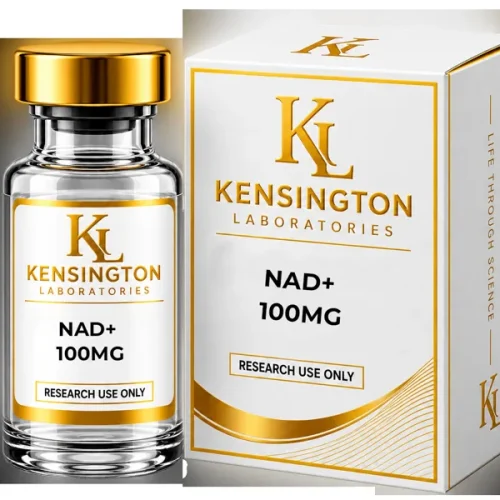 NAD+ Research Peptide
Price range: €79.90 through €124.90
View product →
NAD+ Research Peptide
Price range: €79.90 through €124.90
View product →
Also studied in this area
 Humanin Research Peptide
Keep exploring
Related collections
Research overview
Pathways and research context
SS-31 binds cardiolipin on the inner mitochondrial membrane. MOTS-c is a mitochondrial-derived peptide linked to AMPK. NAD+ is a central coenzyme for energy metabolism and sirtuin activity.
Bioenergetic pathways underpinning mitochondrial research peptides Ireland
Mitochondrial research peptides Ireland laboratories investigate target the core machinery of cellular energy production. SS-31 is studied for binding cardiolipin on the inner mitochondrial membrane, a phospholipid essential to electron transport chain organisation, and is proposed to stabilise membrane structure under oxidative stress conditions.
MOTS-c peptide, a mitochondrial-derived sequence, is linked to AMPK activation and metabolic signalling that crosses between mitochondria and the nucleus, while NAD+ functions as the central coenzyme for glycolysis, the TCA cycle and sirtuin-mediated regulation of mitochondrial biogenesis.
Compound relationships across mitochondrial-derived peptides
SS-31, MOTS-c and NAD+ are frequently studied together because each addresses a different layer of mitochondrial function: structural membrane integrity, metabolic signalling, and coenzyme availability respectively. Humanin, another mitochondrial-derived peptide cross-linked to this collection, is studied for cell survival and apoptosis resistance rather than bioenergetics directly.
Comparing MOTS-c peptide effects against Humanin in the same model helps researchers separate metabolic signalling outcomes from survival-pathway outcomes, since both originate from mitochondrial DNA but engage distinct downstream mechanisms.
Laboratory applications for mitochondrial bioenergetics research
Common applications include Seahorse-style oxygen consumption rate assays to measure respiration, muscle and metabolic models examining AMPK pathway activation following MOTS-c exposure, and ageing research tracking NAD+ decline alongside sirtuin activity across cell passage number.
SS-31 is applied in models of mitochondrial membrane potential loss, often paired with markers of reactive oxygen species production, giving a combined structural and functional picture of mitochondrial health under study conditions.
Study design considerations for mitochondrial endpoints
Direct measurement of mitochondrial endpoints, such as oxygen consumption, membrane potential and ATP output, is strongly recommended over indirect proxies, since downstream effects can be influenced by multiple converging pathways that obscure a specific mechanism of action.
NAD+ assays are particularly sensitive to sample handling and extraction timing, as the reduced and oxidised forms interconvert readily, so protocols should specify extraction method and timing precisely when comparing NAD+/NADH ratios across treatment groups.
Handling, storage and quality for mitochondrial peptide supply
Lyophilised mitochondrial peptides including SS-31, MOTS-c and NAD+ should be stored frozen and shielded from repeated freeze-thaw cycles, which can degrade peptide integrity and reduce activity in bioenergetics assays over successive experiments.
Mitochondrial research peptides Ireland suppliers should provide batch-specific certificates of analysis with HPLC purity traces and LC-MS verified MOTS-c and SS-31 identity, allowing laboratories to document research grade NAD+ and peptide quality when publishing bioenergetics findings.
Compound comparison
| Compound | Mechanism studied | Research focus |
|---|---|---|
| SS-31 | Binds cardiolipin on inner mitochondrial membrane | Membrane stability and electron transport chain research |
| MOTS-c | Mitochondrial-derived peptide linked to AMPK activation | Metabolic signalling and muscle research |
| NAD+ | Coenzyme for energy metabolism and sirtuin activity | Ageing and bioenergetics research |
| Humanin | Mitochondrial-derived peptide interacting with IGFBP-3/STAT3 | Cell survival and apoptosis research |
Research considerations
Measure mitochondrial endpoints directly (respiration, membrane potential) where possible.
Knowledge Centre
Related articles
Questions
Frequently asked questions
What does SS-31 target?
How is MOTS-c related to Humanin?
What distinguishes MOTS-c from other mitochondrial-derived peptides?
Why is freeze-thaw cycling a concern for NAD+ research peptides?
How is SS-31 typically assessed for activity in a model system?
What sample handling steps matter most for NAD+/NADH ratio studies?
Quality
Certificates of analysis
Every compound in this collection is supplied with a batch-matched certificate of analysis confirming HPLC purity and LC-MS identity.
Categories
Related categories
Ready to source mitochondrial research peptides?
HPLC-tested, lyophilised vials with batch COAs. Free tracked delivery over €50 · €9.90 under €50 (3–5 days)