
Products
Compounds in this collection
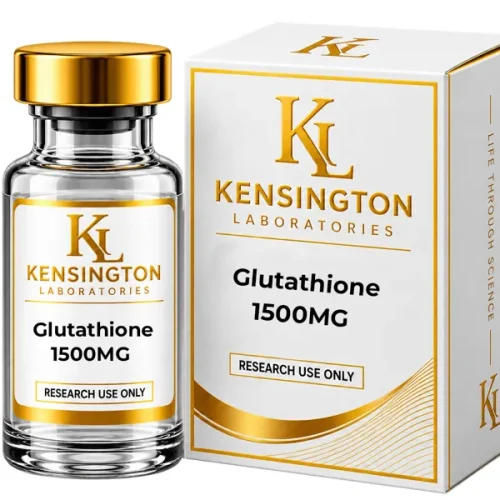 Glutathione Research Peptide
Also studied in this area
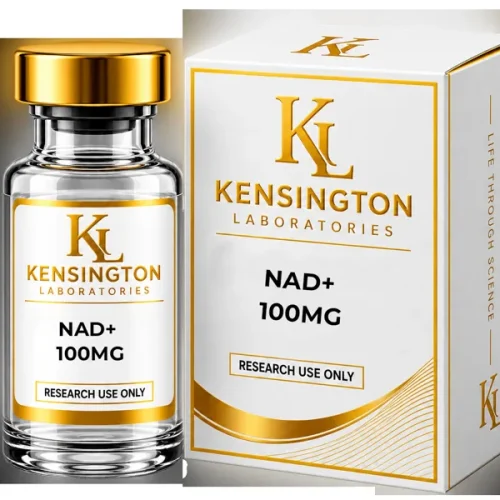 NAD+ Research Peptide
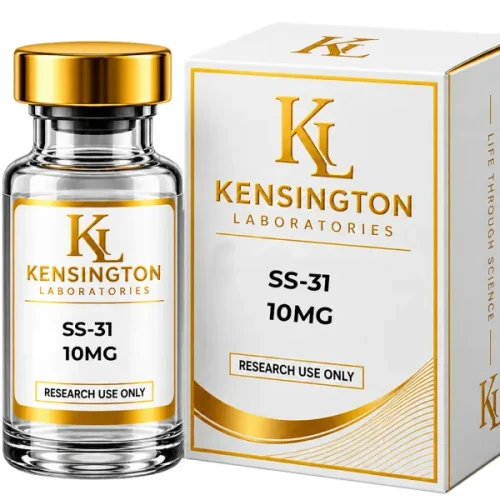 SS-31 Research Peptide
Keep exploring
Related collections
Research overview
Pathways and research context
Glutathione is the main intracellular antioxidant, neutralising reactive oxygen species and recycling other antioxidants. NAD+ and SS-31 add metabolic and mitochondrial angles.
Redox biology behind oxidative stress research peptides Ireland
Oxidative stress research peptides Ireland laboratories work with centre on how cells neutralise reactive oxygen species. Glutathione is the principal intracellular antioxidant, a tripeptide of glutamate, cysteine and glycine that directly scavenges free radicals and recycles other antioxidant systems such as vitamins C and E within the cell.
The ratio of reduced to oxidised glutathione (GSH:GSSG) is a widely used marker of cellular redox state, with a shift toward the oxidised form generally indicating increased oxidative burden, making glutathione a core reagent in studies examining cellular stress responses.
Compound relationships across redox and mitochondrial pathways
Glutathione research is frequently paired with NAD+ research peptide work, since NAD+ availability influences antioxidant enzyme activity and mitochondrial redox balance, giving researchers two interconnected variables to track within the same oxidative stress model.
High purity SS-31 is also cross-linked here, as its proposed role in stabilising the inner mitochondrial membrane directly affects the rate of reactive oxygen species leakage from the electron transport chain, connecting mitochondrial structural research with broader cellular redox outcomes.
Laboratory applications for redox and detoxification research
Common applications include redox balance assays measuring GSH:GSSG ratios across treatment groups, hepatic detoxification models examining glutathione conjugation pathways, and mitochondrial reactive oxygen species studies pairing glutathione depletion or supplementation with membrane potential measurements.
Cell culture models exposed to oxidative challenge agents such as hydrogen peroxide or paraquat are commonly used to establish baseline oxidative stress before testing how glutathione, NAD+ or SS-31 modify the cellular response over time.
Study design considerations for redox endpoint research
Measuring both reduced and oxidised glutathione fractions, rather than total glutathione alone, gives a more accurate picture of redox state, since total glutathione can remain stable even as the ratio shifts significantly under oxidative challenge.
Sample processing speed matters considerably in glutathione research, as GSH oxidises readily post-collection; protocols should specify rapid sample stabilisation methods to avoid artificially skewed GSH:GSSG results that misrepresent the true cellular state at the time of collection.
Handling, storage and quality for antioxidant peptide supply
Lyophilised Glutathione should be stored frozen and protected from light and moisture, since the free thiol group on cysteine is prone to oxidation during storage, which can reduce the proportion of active reduced-form glutathione in a reconstituted vial.
Oxidative stress research peptides Ireland suppliers should provide a certificate of analysis documenting HPLC purity and LC-MS verified Glutathione identity for each batch, giving laboratories a reliable baseline for research grade antioxidant peptide use in redox-sensitive protocols.
Compound comparison
| Compound | Mechanism studied | Research focus |
|---|---|---|
| Glutathione | Tripeptide antioxidant neutralising reactive oxygen species | Redox balance and detoxification research |
| NAD+ | Coenzyme supporting antioxidant enzyme and mitochondrial activity | Metabolic and mitochondrial redox research |
| SS-31 | Stabilises inner mitochondrial membrane cardiolipin | Mitochondrial reactive oxygen species research |
Research considerations
Measure reduced and oxidised glutathione ratios to track redox state.
Knowledge Centre
Related articles
Questions
Frequently asked questions
What is glutathione?
Why link NAD+ and SS-31?
Why is the GSH:GSSG ratio more informative than total glutathione?
How quickly should glutathione samples be processed after collection?
What connects NAD+ research to glutathione-based oxidative stress studies?
How should Glutathione vials be protected during storage?
Quality
Certificates of analysis
Every compound in this collection is supplied with a batch-matched certificate of analysis confirming HPLC purity and LC-MS identity.
Categories
Related categories
Ready to source oxidative stress research peptides?
HPLC-tested, lyophilised vials with batch COAs. Free tracked delivery over €50 · €9.90 under €50 (3–5 days)