
Products
Compounds in this collection
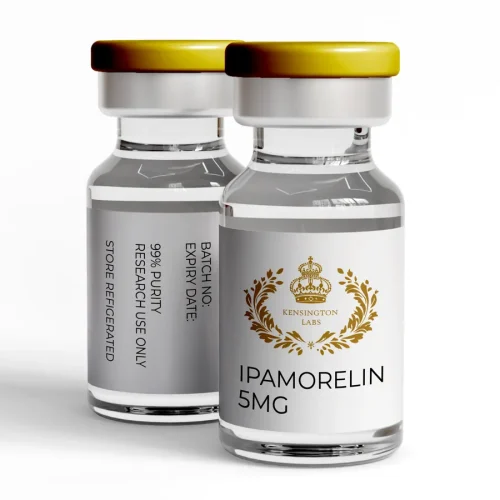 Ipamorelin Research Peptide
Original price was: €39.90.€34.90Current price is: €34.90.
View product →
Ipamorelin Research Peptide
Original price was: €39.90.€34.90Current price is: €34.90.
View product →
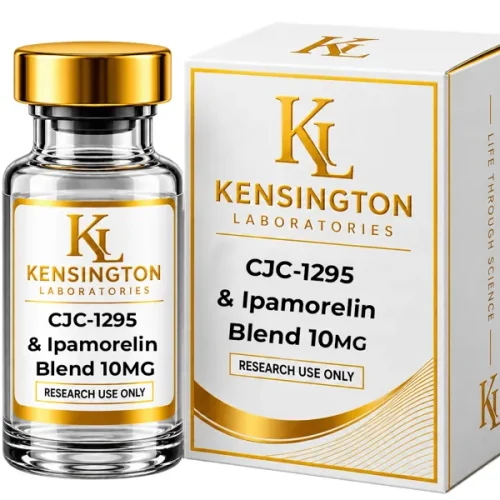 CJC-1295 (no DAC) & Ipamorelin Blend Research Peptide
Original price was: €59.90.€44.90Current price is: €44.90.
View product →
CJC-1295 (no DAC) & Ipamorelin Blend Research Peptide
Original price was: €59.90.€44.90Current price is: €44.90.
View product →
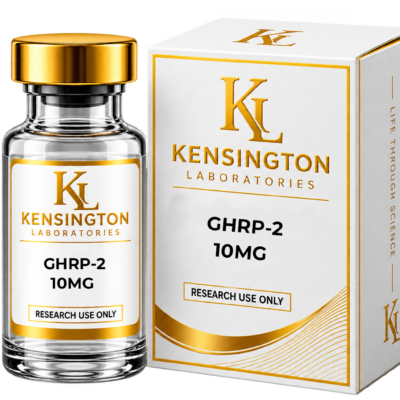 GHRP-2 Acetate Research Peptide
Original price was: €39.95.€29.95Current price is: €29.95.
View product →
GHRP-2 Acetate Research Peptide
Original price was: €39.95.€29.95Current price is: €29.95.
View product →
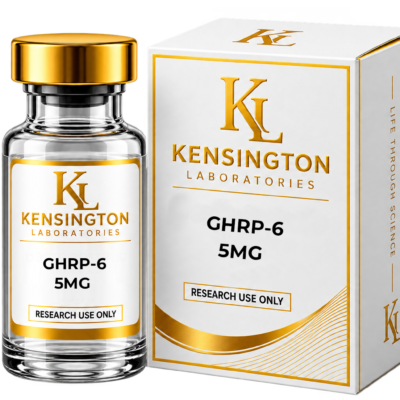 GHRP-6 Acetate Research Peptide
Original price was: €39.95.€34.95Current price is: €34.95.
View product →
GHRP-6 Acetate Research Peptide
Original price was: €39.95.€34.95Current price is: €34.95.
View product →
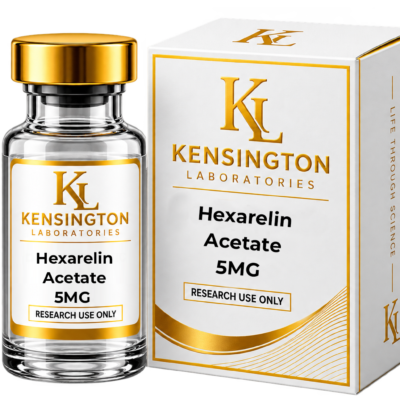 Hexarelin Acetate Research Peptide
Original price was: €25.90.€24.90Current price is: €24.90.
View product →
Hexarelin Acetate Research Peptide
Original price was: €25.90.€24.90Current price is: €24.90.
View product →
Also studied in this area
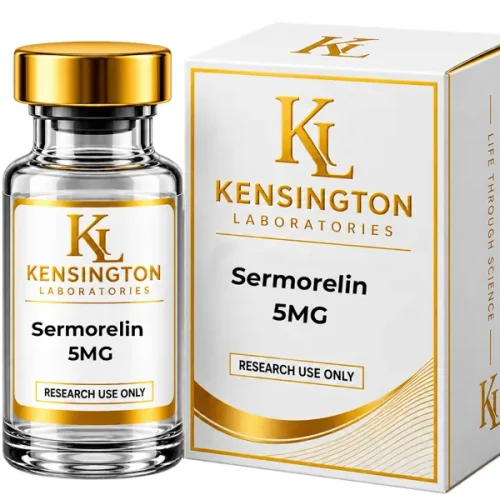 Sermorelin Research Peptide
Keep exploring
Related collections
Research overview
Pathways and research context
GHRPs activate the GHS-R1a receptor. Combined with GHRH analogues they are studied for a synergistic GH response. Selectivity differs: Ipamorelin has little effect on cortisol or prolactin, while GHRP-6 strongly stimulates appetite.
The secretagogue research peptides Ireland landscape: ghrelin receptor agonists
Secretagogues stimulate growth hormone release by a different route to GHRH analogues: rather than acting on the GHRH receptor, Ipamorelin, GHRP-2, GHRP-6 and Hexarelin activate the ghrelin receptor (GHS-R1a) on pituitary somatotrophs. This receptor overlap with the hunger hormone ghrelin is central to why some of these sequences also carry notable appetite-related effects in published models.
For labs sourcing secretagogue research peptides Ireland catalogues typically group by selectivity, since GHRP-2, GHRP-6 and Hexarelin vary considerably in their secondary effects on cortisol, prolactin and appetite compared with the more selective Ipamorelin.
How secretagogues relate to one another and to GHRH compounds
Ipamorelin is the most studied for its selectivity — in the literature it shows a comparatively clean GH-release profile with minimal cortisol or prolactin co-release. GHRP-6 is notable for a pronounced appetite-stimulating effect linked to ghrelin receptor activation in the hypothalamus, while GHRP-2 sits between the two in terms of secondary hormone effects.
Hexarelin is a potent hexapeptide secretagogue also studied for cardiac tissue effects independent of GH release. Because secretagogues act on a distinct receptor to GHRH analogues such as Sermorelin, the two classes are frequently combined in synergy studies, exemplified by the CJC-1295/Ipamorelin blend.
Laboratory applications for ghrelin receptor agonist research
Common applications include GH synergy studies pairing a secretagogue with a GHRH analogue, appetite and feeding-behaviour models exploiting GHRP-6's ghrelin-linked activity, and receptor-selectivity comparisons profiling cortisol and prolactin co-release across the GHRP family.
In vitro pituitary cell assays are used to characterise each compound's potency at GHS-R1a, while in vivo rodent models extend this to systemic GH pulse amplitude, feeding behaviour and body-composition endpoints over longer observation periods.
Designing comparative secretagogue studies
Because selectivity differs sharply across this compound group, study design should specify which secondary endpoints — cortisol, prolactin, appetite — are being tracked alongside GH, and dosing schedules should be matched when comparing compounds head-to-head to avoid confounding differences in exposure duration.
Combination protocols with GHRH analogues require careful timing of administration relative to each compound's half-life, and researchers should record vehicle, reconstitution volume and storage temperature consistently across comparator groups.
Storage, reconstitution and quality control for GHRPs
Like other research peptides, secretagogues are supplied lyophilised and are most stable stored frozen or refrigerated prior to reconstitution. Once reconstituted, solutions should be kept refrigerated and used within the stated shelf life to avoid degradation that could affect receptor-binding assay results.
Kensington Labs Ireland issues a batch-specific certificate of analysis for every secretagogue, confirming HPLC purity and LC-MS verified identity, giving research teams working with secretagogue research peptides Ireland supply chains confidence in compound integrity before use.
Compound comparison
| Compound | Mechanism studied | Research focus |
|---|---|---|
| Ipamorelin | Selective GHS-R1a agonist with minimal cortisol/prolactin co-release | Clean GH pulse and receptor selectivity research |
| GHRP-2 | GHS-R1a agonist with moderate secondary hormone effects | Comparative GHRP selectivity studies |
| GHRP-6 | GHS-R1a agonist with pronounced hypothalamic appetite signalling | Appetite and ghrelin pathway research |
| Hexarelin | Potent hexapeptide GHS-R1a agonist with reported cardiac tissue activity | GH release and cardiac tissue models |
| CJC-1295/Ipamorelin blend | Combined GHRH and ghrelin receptor agonism | GH synergy and combined pulse research |
| Sermorelin | GHRH receptor agonist, distinct pathway from GHRPs | Comparative GHRH vs GHRP pathway research |
Research considerations
Selectivity and appetite effects vary widely, so pick the GHRP that fits the endpoints being measured.
Knowledge Centre
Related articles
Questions
Frequently asked questions
Why pair Ipamorelin with CJC-1295?
Which GHRP is the most selective?
Why do GHRPs vary so much in cortisol and prolactin effects?
Is Hexarelin studied for anything beyond GH release?
How should secretagogues be stored between experiments?
What does LC-MS verification confirm for a GHRP batch?
Quality
Certificates of analysis
Every compound in this collection is supplied with a batch-matched certificate of analysis confirming HPLC purity and LC-MS identity.
Categories
Related categories
Ready to source secretagogue research peptides?
HPLC-tested, lyophilised vials with batch COAs. Free tracked delivery over €50 · €9.90 under €50 (3–5 days)