
Products
Compounds in this collection
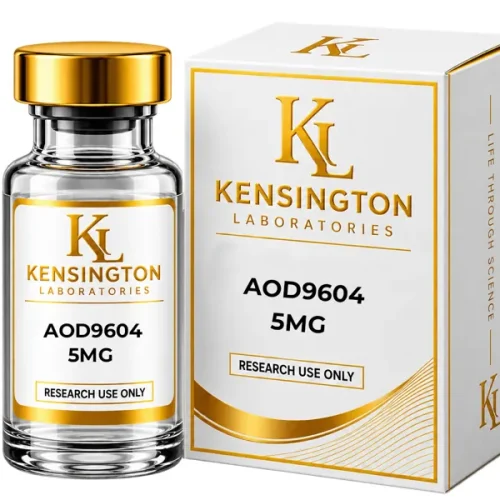 AOD-9604 Research Peptide
Original price was: €59.90.€49.90Current price is: €49.90.
View product →
AOD-9604 Research Peptide
Original price was: €59.90.€49.90Current price is: €49.90.
View product →
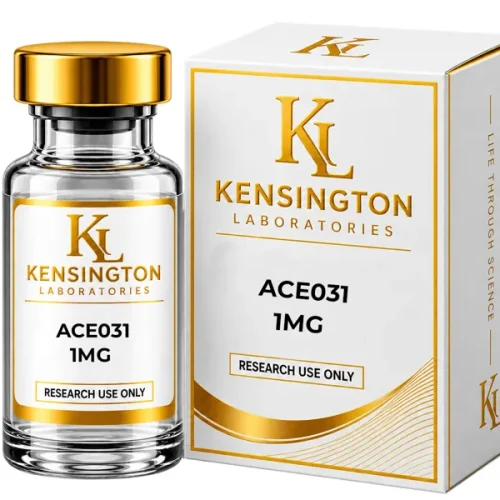 ACE-031 Research Peptide
Original price was: €69.90.€59.90Current price is: €59.90.
View product →
ACE-031 Research Peptide
Original price was: €69.90.€59.90Current price is: €59.90.
View product →
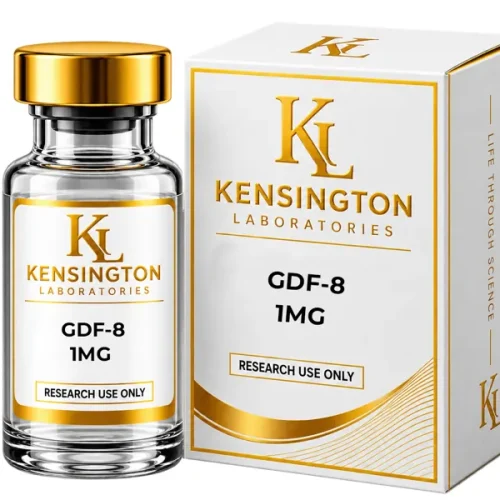 GDF-8 Research Peptide
Original price was: €114.90.€84.90Current price is: €84.90.
View product →
GDF-8 Research Peptide
Original price was: €114.90.€84.90Current price is: €84.90.
View product →
Also studied in this area
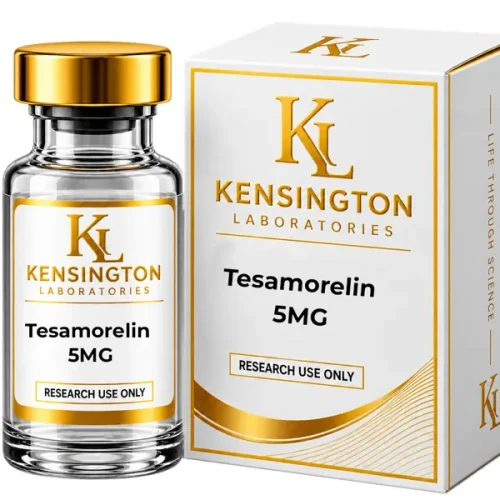 Tesamorelin Research Peptide
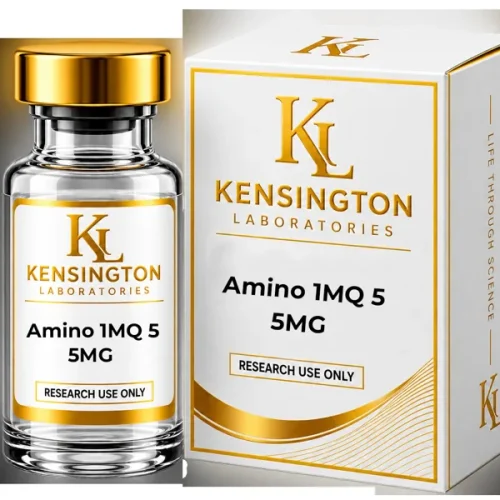 5-Amino-1MQ Research Peptide
Keep exploring
Related collections
Research overview
Pathways and research context
AOD-9604 is a fragment of growth hormone studied for lipolysis without GH's other effects. ACE-031 is a soluble activin receptor that binds myostatin; GDF-8 is myostatin itself, used as a reference ligand.
Mechanisms behind body composition research peptides Ireland laboratories examine
Body composition research peptides Ireland suppliers list span two distinct biological questions: fat metabolism and the myostatin pathway that limits muscle growth. AOD-9604 is a modified fragment of the growth hormone molecule, studied specifically for lipolytic activity without reproducing GH's broader metabolic effects.
ACE-031 is a soluble activin receptor type IIB construct that binds myostatin and related ligands, while GDF-8 is myostatin itself, included as a reference ligand so researchers can directly observe the pathway that ACE-031 is designed to interrupt.
Compound relationships across the body composition panel
AOD-9604 and the myostatin-pathway compounds address separate sides of body composition: fat loss versus lean mass regulation, so they are typically run as independent research arms rather than directly compared against one another. ACE-031 and GDF-8 are, however, a natural pair, since GDF-8 provides the ligand that ACE-031's receptor-binding activity is designed to sequester.
Tesamorelin, cross-linked from the growth hormone collection, is sometimes referenced alongside AOD-9604 in visceral fat research, giving researchers a GHRH-pathway comparator for a GH-fragment-based approach to fat metabolism. 5-Amino-1MQ, cross-linked from the metabolic collection, offers a further non-overlapping mechanism for comparative fat-metabolism work.
Laboratory applications and model systems
Lipolysis models, typically measuring free fatty acid or glycerol release from adipocyte culture, are the standard setting for AOD-9604 research. Myostatin and muscle mass research using ACE-031 and GDF-8 typically relies on muscle fibre cross-sectional area measurements or myostatin-signalling reporter assays.
Lean-to-fat ratio studies, often using body composition imaging or dissection-based analysis in animal models, allow researchers to connect the fat-metabolism and myostatin-pathway findings from this collection into a single composite body composition endpoint.
Study design considerations for body composition protocols
Because ACE-031 acts by binding myostatin and related ligands, including a GDF-8 reference arm allows researchers to confirm that observed effects are consistent with myostatin-pathway interruption rather than an off-target mechanism. Myostatin pathway compounds are frequently paired with IGF collection compounds in muscle studies to capture both inhibitory and growth-promoting signals in the same design.
AOD-9604 protocols should include appropriate controls to distinguish lipolytic activity from any residual growth-hormone-like effect, even though the fragment is specifically modified to minimise this overlap.
Handling, purity and body composition research peptides Ireland supply
AOD-9604, ACE-031 and GDF-8 are supplied lyophilised and require bacteriostatic water reconstitution, with refrigerated storage once in solution and minimal freeze-thaw cycling recommended for the receptor and ligand proteins in this collection. Research grade AOD-9604 should be verified against its certificate of analysis prior to lipolysis assays, given how purity variance can affect fatty-acid-release readouts.
Kensington Labs provides HPLC tested, LC-MS verified documentation across this range, supporting the reproducibility that body composition research peptides Ireland research groups need when reporting myostatin-pathway or lipolysis findings in published work.
Compound comparison
| Compound | Mechanism studied | Research focus |
|---|---|---|
| AOD-9604 — 5mg | Modified GH fragment; lipolysis-focused, minimal broader GH activity. | |
| ACE-031 — 1mg | Soluble activin receptor binding myostatin; muscle-mass pathway research. | |
| GDF-8 — 1mg | Myostatin itself; used as a reference ligand in pathway assays. | |
| Tesamorelin — 5mg | Cross-linked GHRH analogue; visceral fat comparator to AOD-9604. | |
| 5-Amino-1MQ — 5mg | Cross-linked NNMT inhibitor; alternative fat-metabolism mechanism. |
Research considerations
Myostatin pathway compounds are often paired with IGF hub compounds in muscle studies.
Knowledge Centre
Related articles
Questions
Frequently asked questions
Is AOD-9604 the same as growth hormone?
Why is GDF-8 offered?
Why include GDF-8 alongside ACE-031 in the same protocol?
Does AOD-9604 need to be screened for residual growth hormone activity?
How does Tesamorelin relate to AOD-9604 in fat metabolism research?
What storage precautions apply to ACE-031 and GDF-8?
Quality
Certificates of analysis
Every compound in this collection is supplied with a batch-matched certificate of analysis confirming HPLC purity and LC-MS identity.
Categories
Related categories
Ready to source body composition research peptides?
HPLC-tested, lyophilised vials with batch COAs. Free tracked delivery over €50 · €9.90 under €50 (3–5 days)