
Products
Compounds in this collection
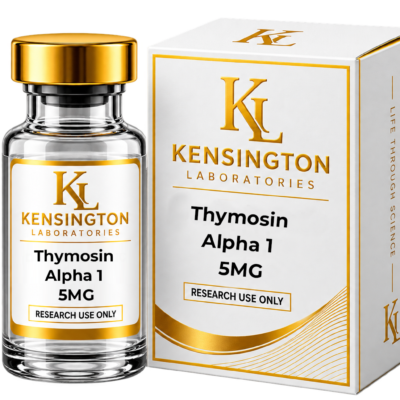 Thymosin Alpha-1 Research Peptide
Price range: €29.95 through €39.95
View product →
Thymosin Alpha-1 Research Peptide
Price range: €29.95 through €39.95
View product →
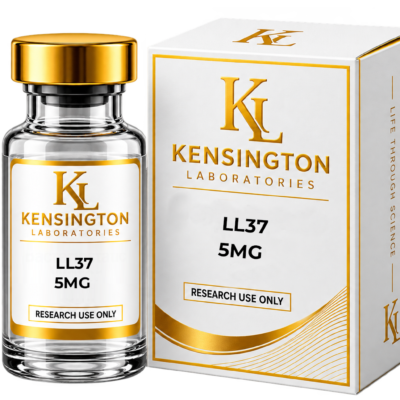 LL-37 Research Peptide
Original price was: €74.90.€39.90Current price is: €39.90.
View product →
LL-37 Research Peptide
Original price was: €74.90.€39.90Current price is: €39.90.
View product →
Also studied in this area
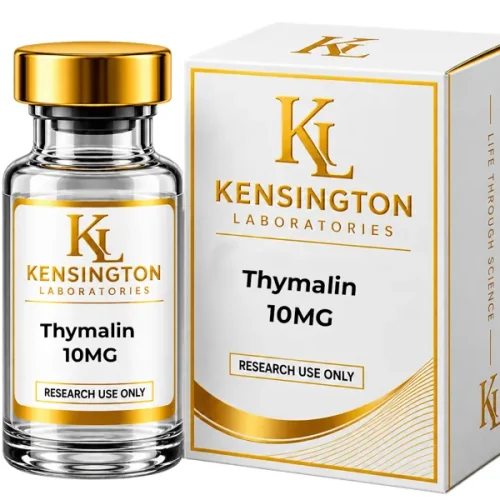 Thymalin Research Peptide
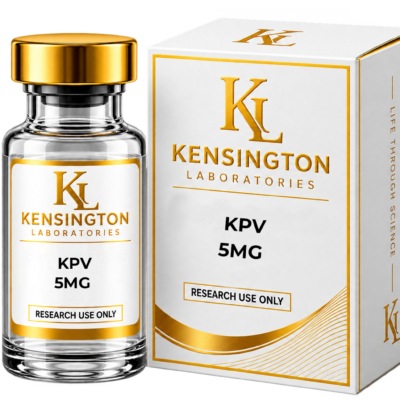 KPV Research Peptide
Keep exploring
Related collections
Research overview
Pathways and research context
Thymosin Alpha-1 is studied for T-cell maturation and immune signalling. LL-37 is the only human cathelicidin, studied for antimicrobial and immune activity.
Immune and antimicrobial pathways in cellular health research peptides Ireland
Cellular health research peptides Ireland laboratories work with focus on immune modulation and antimicrobial activity at the cellular level. Thymosin Alpha-1 is studied for its role in T-cell maturation, influencing thymocyte differentiation and modulating cytokine signalling involved in both innate and adaptive immune responses.
LL-37, the only cathelicidin peptide found in humans, is studied for direct antimicrobial activity through membrane disruption of bacterial cells, alongside secondary immunomodulatory roles including chemotaxis of immune cells and wound-healing-associated signalling.
Compound relationships across immune peptide research
Thymosin Alpha-1 is often studied alongside Thymalin research peptide work, since both originate from thymic biology, though Thymalin is classed as a bioregulator studied for broader tissue-specific gene expression effects rather than T-cell maturation specifically.
KPV peptide Ireland researchers use is cross-linked here for its anti-inflammatory profile via melanocortin receptor pathways, giving a useful comparator when separating antimicrobial membrane effects (LL-37) from receptor-mediated anti-inflammatory signalling (KPV) within the same immune research programme.
Laboratory applications for immune and antimicrobial models
Typical applications include T-cell proliferation and cytokine release assays following Thymosin Alpha-1 exposure, minimum inhibitory concentration testing of LL-37 against bacterial cultures, and inflammation models comparing cytokine output across multiple immune-modulating peptides.
LL-37 is additionally applied in wound-healing and epithelial barrier models, where its chemotactic and antimicrobial properties are studied together, since both are thought to contribute to the peptide's overall biological profile in host-defence research.
Study design considerations for immune endpoint research
Immune endpoints are highly model- and context-specific, so protocols should include clear unstimulated and positive-control baselines before introducing a test peptide, as background cytokine variability can otherwise obscure treatment effects.
When testing LL-37 for antimicrobial activity, bacterial strain, growth phase and media composition all influence minimum inhibitory concentration results, so these variables should be documented alongside peptide batch details for reproducibility.
Handling, storage and quality for cellular health peptide supply
Lyophilised antimicrobial peptides such as LL-37 and Thymosin Alpha-1 should be stored frozen in a desiccated environment and reconstituted immediately before use, since both are susceptible to aggregation and oxidation once in aqueous solution.
Cellular health research peptides Ireland suppliers should accompany each vial with a certificate of analysis including HPLC purity data and LC-MS verified LL-37 identity, giving laboratories confidence in research grade immune peptides before committing them to multi-week immune assays.
Compound comparison
| Compound | Mechanism studied | Research focus |
|---|---|---|
| Thymosin Alpha-1 | Modulates T-cell maturation and cytokine signalling | Adaptive immune response research |
| LL-37 | Membrane-disrupting cathelicidin with chemotactic activity | Antimicrobial and wound-healing research |
| Thymalin | Thymic bioregulator affecting tissue-specific gene expression | Immune and thymic ageing research |
| KPV | Melanocortin receptor-mediated anti-inflammatory signalling | Inflammation and mucosal research |
Research considerations
Immune endpoints are model-specific; include clear baselines and controls.
Knowledge Centre
Related articles
Questions
Frequently asked questions
What is Thymosin Alpha-1?
What is LL-37?
How does LL-37's antimicrobial action differ from its immune signalling role?
Why compare Thymosin Alpha-1 with Thymalin in immune research?
What variables affect LL-37 minimum inhibitory concentration testing?
Can LL-37 and KPV be studied in the same inflammation model?
Quality
Certificates of analysis
Every compound in this collection is supplied with a batch-matched certificate of analysis confirming HPLC purity and LC-MS identity.
Categories
Related categories
Ready to source cellular health research peptides?
HPLC-tested, lyophilised vials with batch COAs. Free tracked delivery over €50 · €9.90 under €50 (3–5 days)