
Products
Compounds in this collection
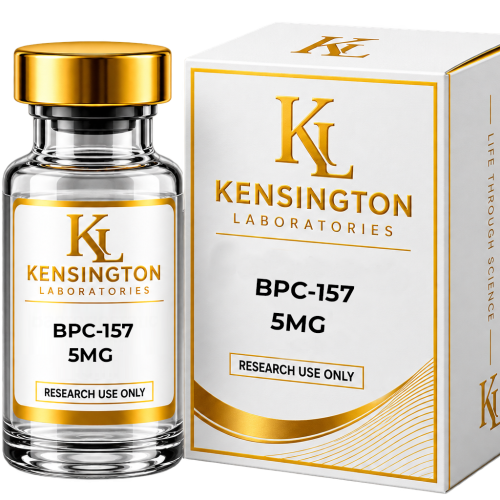 BPC-157 Research Peptide
Price range: €29.95 through €44.90
View product →
BPC-157 Research Peptide
Price range: €29.95 through €44.90
View product →
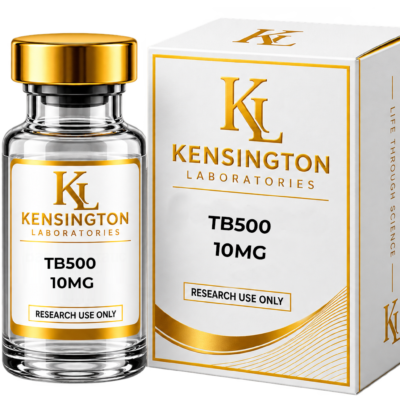 TB-500 (Thymosin Beta-4) Research Peptide
Price range: €24.95 through €29.95
View product →
TB-500 (Thymosin Beta-4) Research Peptide
Price range: €24.95 through €29.95
View product →
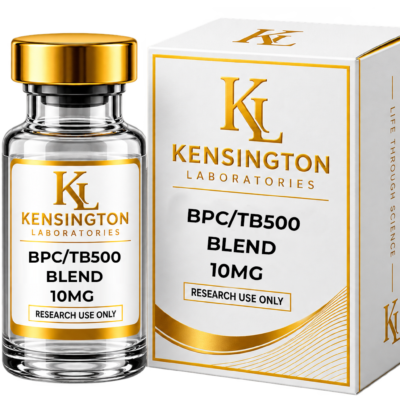 BPC-157 & TB-500 Blend Research Peptide
Price range: €39.90 through €49.90
View product →
BPC-157 & TB-500 Blend Research Peptide
Price range: €39.90 through €49.90
View product →
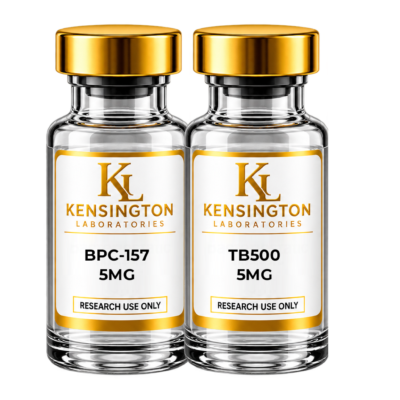 BPC-157 and TB-500 Stack Research Peptide
Original price was: €36.19.€32.89Current price is: €32.89.
View product →
BPC-157 and TB-500 Stack Research Peptide
Original price was: €36.19.€32.89Current price is: €32.89.
View product →
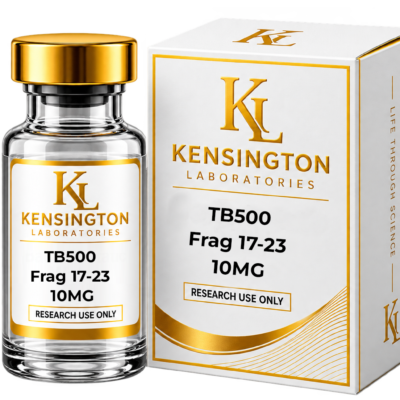 TB-500 Frag 17-23 Research Peptide
Original price was: €64.90.€49.90Current price is: €49.90.
View product →
TB-500 Frag 17-23 Research Peptide
Original price was: €64.90.€49.90Current price is: €49.90.
View product →
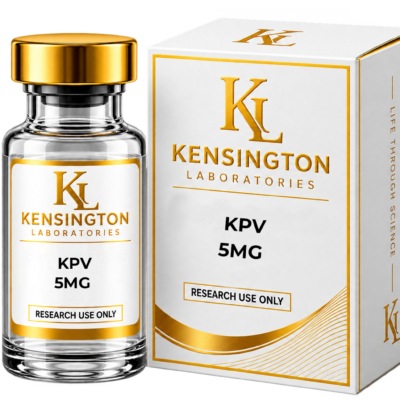 KPV Research Peptide
Price range: €29.90 through €39.95
View product →
KPV Research Peptide
Price range: €29.90 through €39.95
View product →
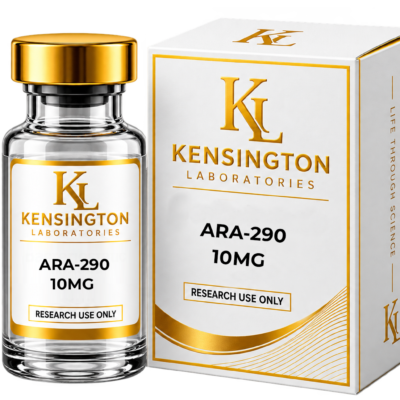 ARA-290 Research Peptide
Original price was: €89.90.€69.90Current price is: €69.90.
View product →
ARA-290 Research Peptide
Original price was: €89.90.€69.90Current price is: €69.90.
View product →
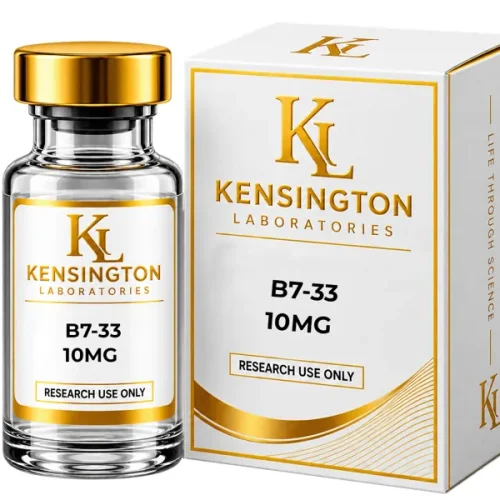 B7-33 Research Peptide
Original price was: €49.90.€44.90Current price is: €44.90.
View product →
B7-33 Research Peptide
Original price was: €49.90.€44.90Current price is: €44.90.
View product →
Also studied in this area
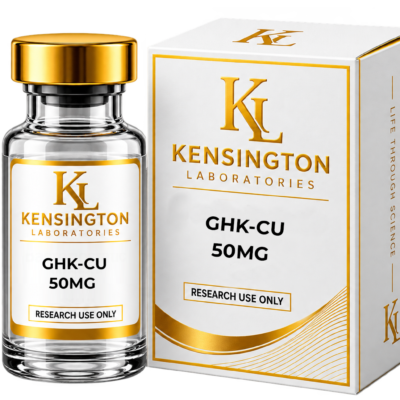 GHK-Cu Research Peptide
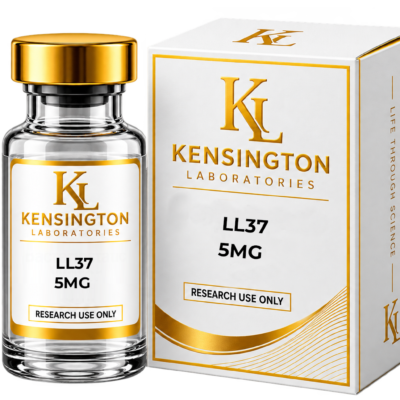 LL-37 Research Peptide
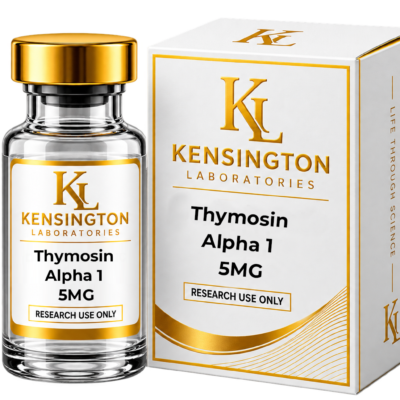 Thymosin Alpha-1 Research Peptide
Keep exploring
Related collections
Research overview
Pathways and research context
Repair models typically examine VEGF-linked angiogenesis, actin regulation and cell migration (thymosin beta-4 fragments), nitric oxide signalling, and the cytokine shift from inflammatory to resolution phases. KPV and ARA-290 add melanocortin and innate-repair-receptor pathways to that picture.
Mechanisms behind tissue repair peptides Ireland researchers study
Investigators sourcing tissue repair peptides Ireland laboratories rely on are usually mapping how specific sequences influence angiogenesis, extracellular matrix turnover and the inflammatory-to-resolution switch that follows injury. BPC-157 is examined for VEGF-linked vessel formation in mucosal and tendon tissue, while TB-500 is studied for actin binding, which underpins cell migration into a wound site.
KPV, a tripeptide derived from alpha-MSH, is reviewed for melanocortin-receptor-linked anti-inflammatory signalling in gut epithelial models, and ARA-290 is studied for engaging the innate repair receptor rather than the classical erythropoietin receptor, separating tissue-protective effects from haematopoietic ones in the data.
Compound relationships across the repair panel
BPC-157 and TB-500 are frequently paired because they are proposed to act on complementary stages of healing: one on vascular and mucosal signalling, the other on structural cell movement. The BPC-157 & TB-500 blend and bundle formats exist so a lab can run combined-exposure protocols without separately reconstituting two vials, while single-sequence vials keep variables isolated for dose-response work.
TB-500 Frag 17-23 is a shorter sequence representing the actin-binding region of thymosin beta-4, used by researchers who want to test whether the smaller fragment reproduces the activity attributed to the full peptide. B7-33 is a relaxin-family fragment studied in a related but distinct fibrosis-signalling context, giving comparative data outside the thymosin and BPC families.
Laboratory applications and model systems
Tendon and ligament explant models, gastrointestinal mucosal integrity assays and in-vitro wound scratch assays are the three most common settings for this collection's compounds. Fibrosis scoring in muscle injury models is another recurring endpoint, particularly where BPC-157 and TB-500 are tested side by side with GHK-Cu or thymosin alpha-1 as cross-referenced comparators.
Cell migration rate, closure time and vessel density counts are typical outputs recorded across these assays, usually alongside cytokine panels that track the shift from an inflammatory to a reparative tissue environment over the course of an experiment.
Study design considerations for repair research
Because BPC-157, TB-500 and their fragments act on overlapping but distinct pathways, protocols benefit from a single-sequence arm, a blend arm and an untreated control to separate additive from independent effects. Reconstitution volume and buffer choice should stay consistent across arms so that solvent effects do not confound the comparison.
Time-course sampling matters here: angiogenic markers and actin-remodelling markers often peak at different points after exposure, so researchers frequently stagger collection timepoints rather than taking a single endpoint reading.
Handling, purity and sourcing tissue repair peptides Ireland labs trust
Every vial in this range is supplied lyophilised and should be stored at -20°C before reconstitution and refrigerated thereafter, with short-term use planned around the compound's known in-solution stability. HPLC tested and LC-MS verified batches are standard practice for peer-reviewed repair research, since purity variance between batches can shift dose-response curves.
Kensington Labs ships a certificate of analysis with each batch so Irish research groups can confirm identity and purity before a protocol begins, supporting the reproducibility that tissue repair peptides Ireland institutions are increasingly expected to demonstrate in published methods sections.
Compound comparison
| Compound | Mechanism studied | Research focus |
|---|---|---|
| BPC-157 — 5mg | Angiogenesis and mucosal-protection focus; reference compound for the collection. | |
| TB-500 (Thymosin Beta-4) — 5mg | Actin regulation and cell migration; often paired with BPC-157. | |
| BPC-157 & TB-500 Blend — 10mg | Combined-exposure format for protocols studying both pathways together. | |
| BPC-157 and TB-500 Stack — 10mg | Two single-sequence vials supplied together for paired-arm designs. | |
| TB-500 Frag 17-23 — 10mg | Shorter actin-binding fragment used to test minimal active sequence. | |
| KPV — 5mg | Melanocortin-linked anti-inflammatory tripeptide, gut-epithelial focus. | |
| ARA-290 — 10mg | Innate repair receptor agonist, studied separately from EPO pathway effects. | |
| B7-33 — 10mg | Relaxin-family fragment studied in fibrosis-related signalling. | |
| GHK-Cu — 50mg | Cross-linked matrix and collagen comparator from the skin & matrix collection. | |
| LL-37 — 5mg | Antimicrobial peptide cross-linked for wound-environment research. | |
| Thymosin Alpha-1 — 5mg | Immune-modulating thymosin family comparator. |
Research considerations
Most published work is preclinical. Researchers commonly compare single sequences against blends to separate the contribution of each compound, and batch COAs should be checked before every protocol.
Knowledge Centre
Related articles
Questions
Frequently asked questions
What is the difference between BPC-157 and TB-500 in repair research?
Why would a lab choose a blend over single vials?
Can BPC-157 and TB-500 be reconstituted in the same buffer?
What is the relevance of TB-500 Frag 17-23 to full-length TB-500 research?
How is purity confirmed for this peptide range?
Why is ARA-290 studied separately from erythropoietin?
Quality
Certificates of analysis
Every compound in this collection is supplied with a batch-matched certificate of analysis confirming HPLC purity and LC-MS identity.
- BPC-157 Research Peptide COA
- TB-500 (Thymosin Beta-4) Research Peptide COA
- BPC-157 & TB-500 Blend Research Peptide COA
- BPC-157 and TB-500 Stack Research Peptide COA
- TB-500 Frag 17-23 Research Peptide COA
- KPV Research Peptide COA
- ARA-290 Research Peptide COA
- B7-33 Research Peptide COA
- GHK-Cu Research Peptide COA
- LL-37 Research Peptide COA
- Thymosin Alpha-1 Research Peptide COA
Categories
Related categories
Ready to source tissue repair research peptides?
HPLC-tested, lyophilised vials with batch COAs. Free tracked delivery over €50 · €9.90 under €50 (3–5 days)